Nike Unlock box
BACKGROUND:
Nike opened a series of concept stores called Nike Live stores. The stores bring together unique digital experiences in brick and mortar locations. Some of the experiences include Geolocation messaging, Scan & Learn, which allows members to scan a QR code to learn more about the product, check availablity in store, and instant add to fitting room. Digital Checkout, which allows members to check out awhile avoiding traditional lines. Nike Experts on Demand, where members could set up a 1:1 appointment with a Nike Expert to get style forward, sport-smart advice. Footwear Terminals (Interactive screens/RFID/Touch Tables) using RFID technology to provide product specifications, compare footwear side-by-side, and show real-time stock levels.
PROBLEM:
The stores were experiencing a low adoption rate for the digital experiences. To initiate these in-store digital experiences, members needed to open the Nike app and log in while in the store.
How might we:
Increase members opening the app and logging in while in-store
Drive deeper engagement with digital retail experiences
Grow our membership base in the process
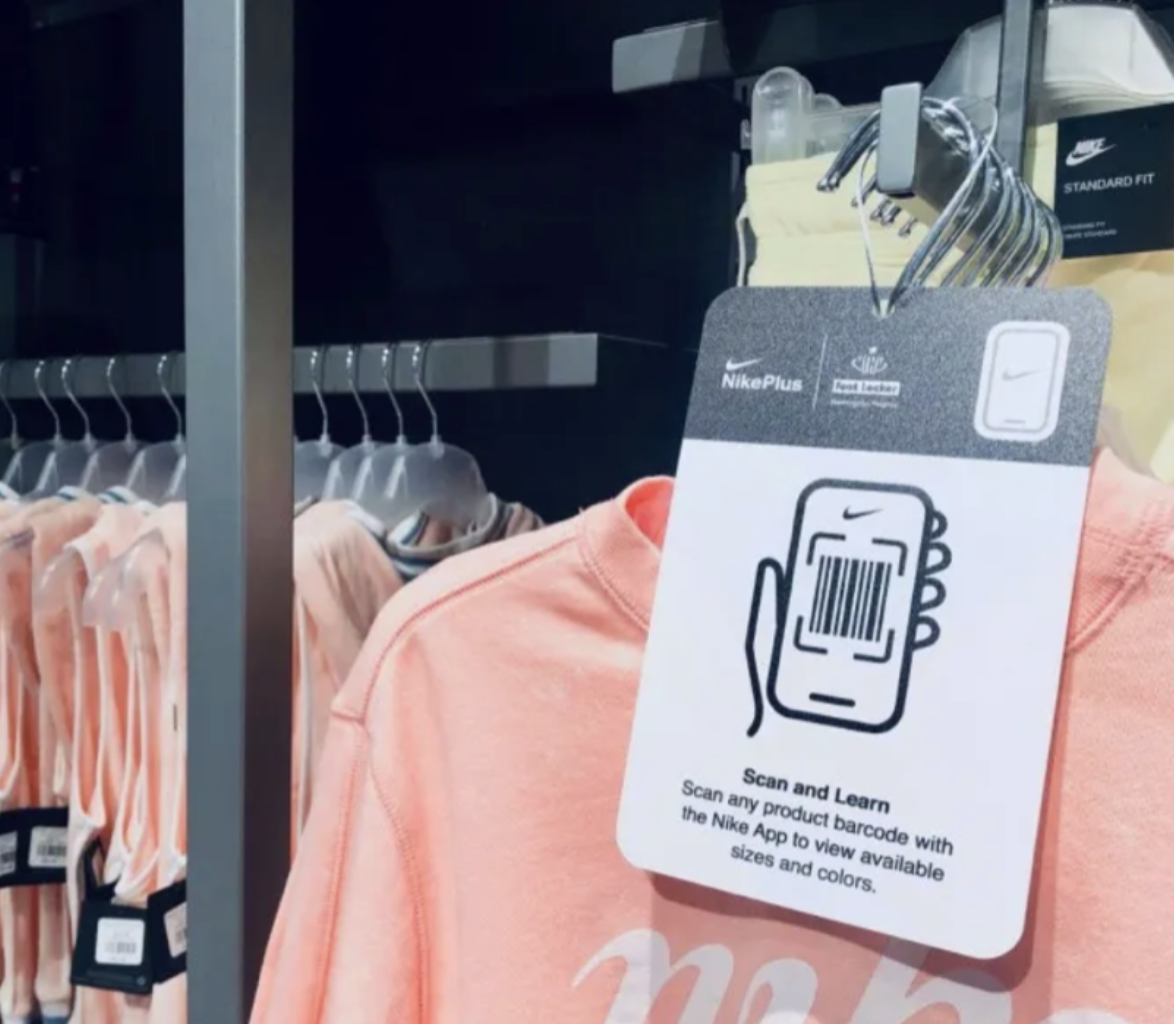
Scan & Learn
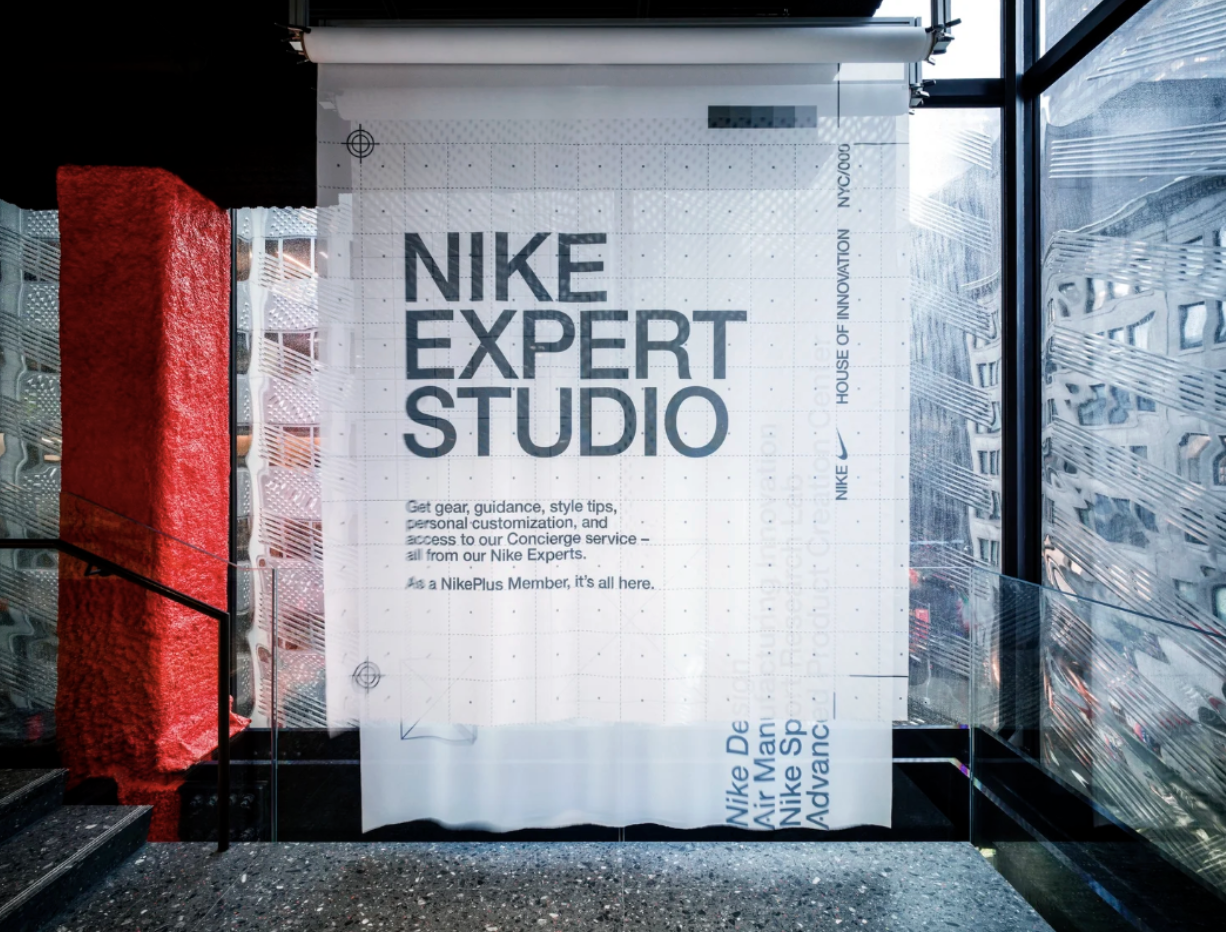
Nike Expert Studio
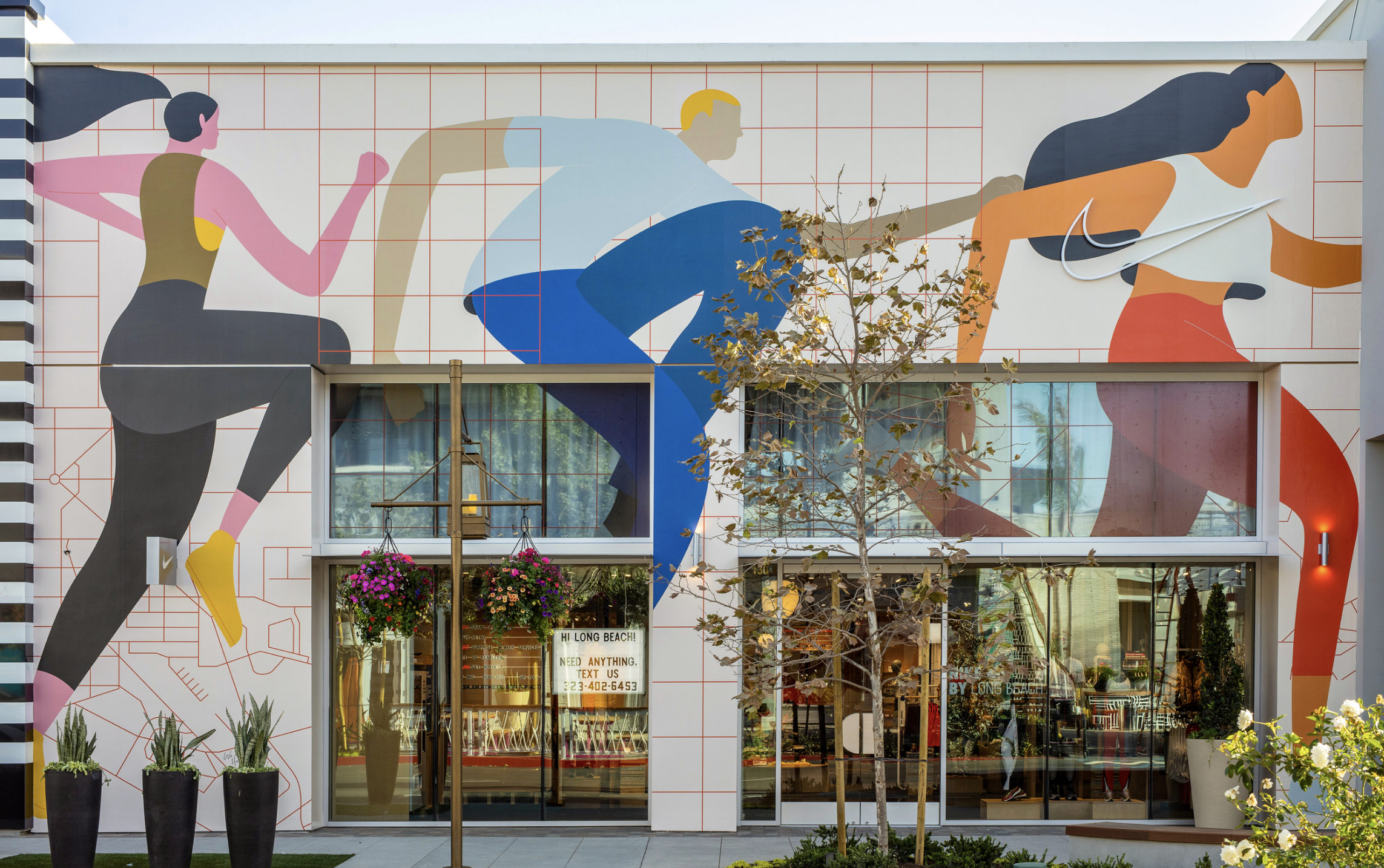
Nike Live Concept Store Long Beach
TARGET AUDIENCE:
Active Nike members who frequently use:
Nike App
Nike Run Club
Nike Training Club
These users were already digitally engaged, but required contextual motivation to engage in-store.
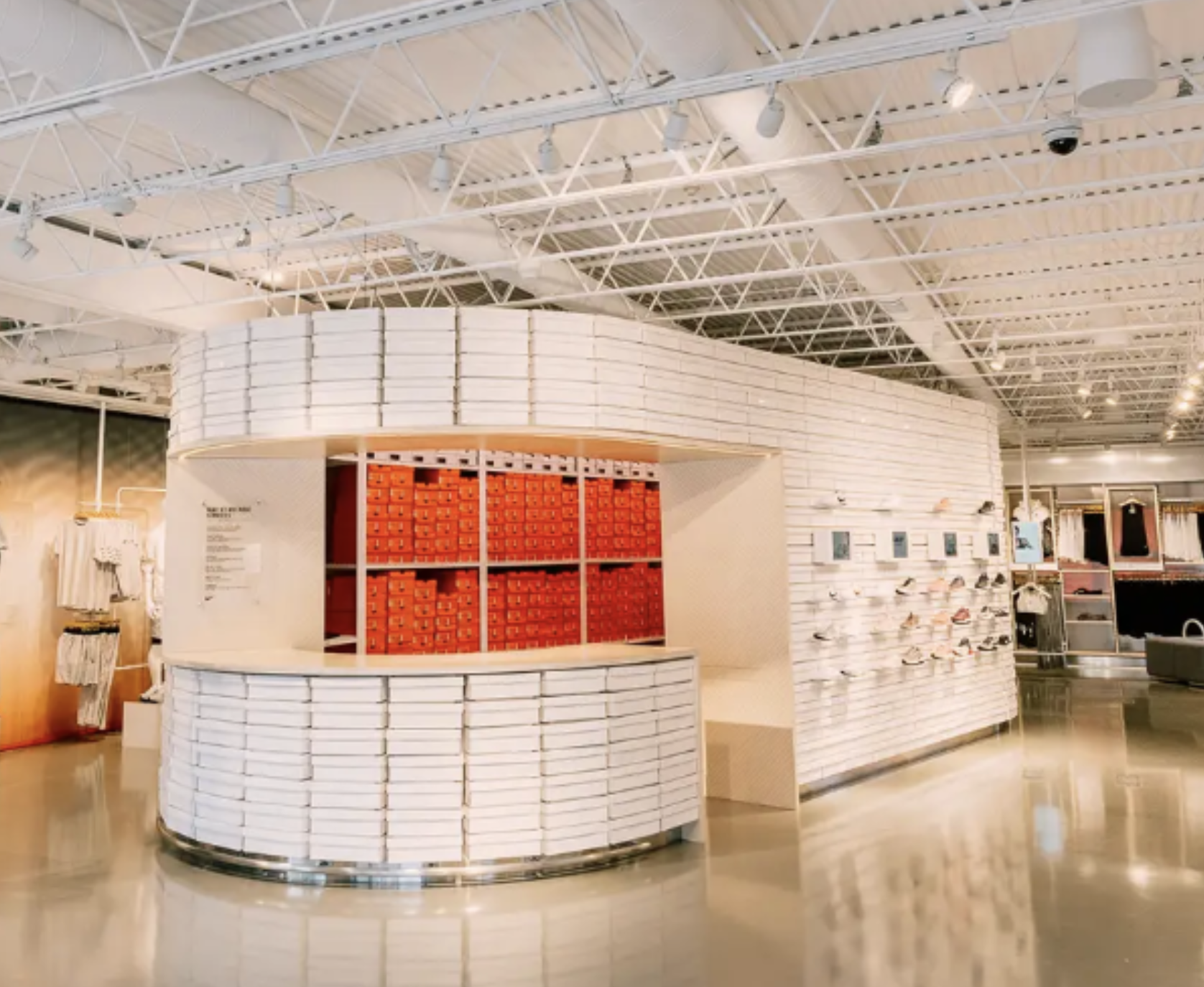
Shoe Bar
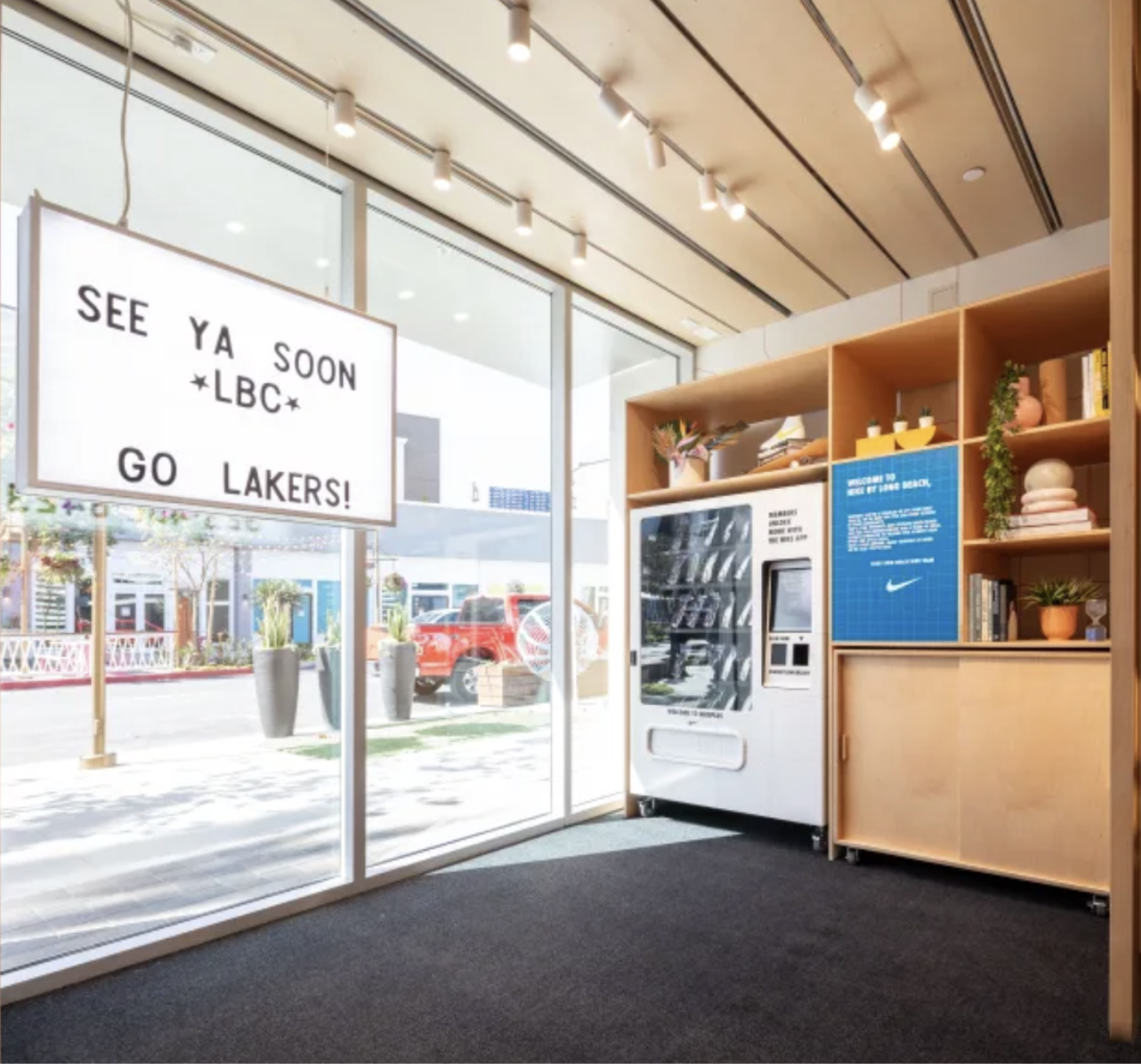
Nike Unlock Box Long Beach
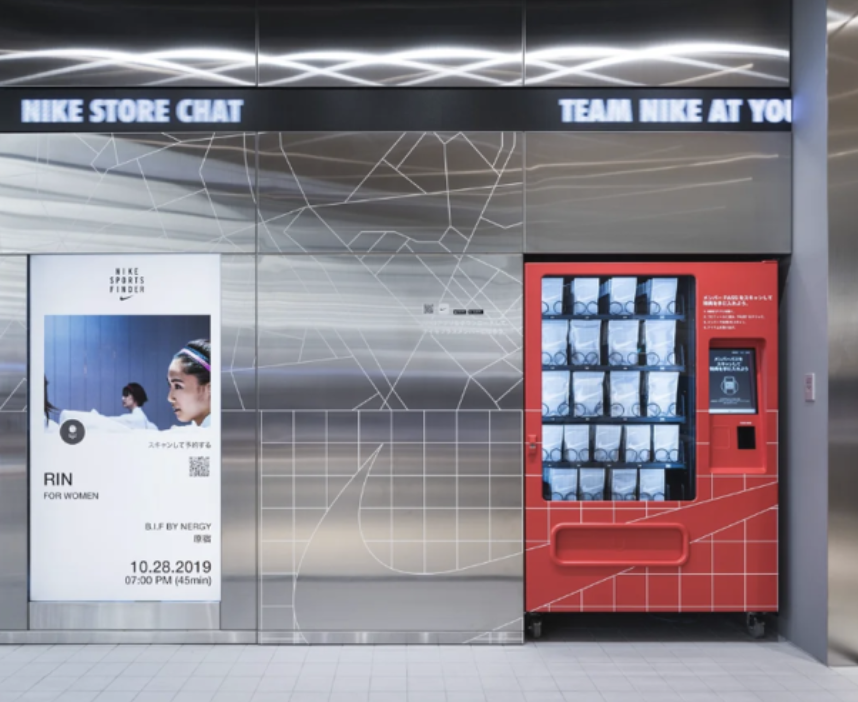
Nike Unlock Box Shibuya Scramble Square
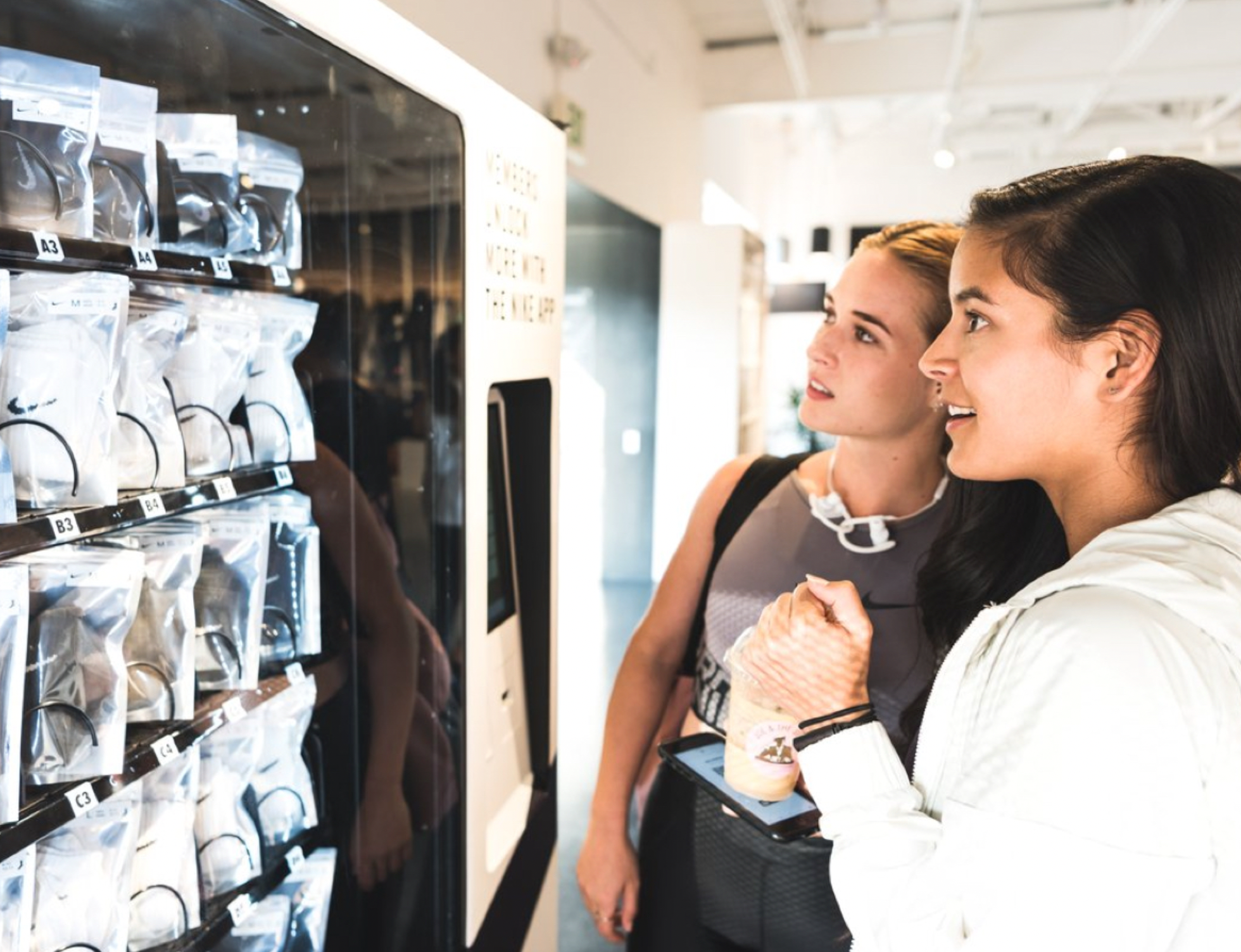
Nike Unlock Box Experience
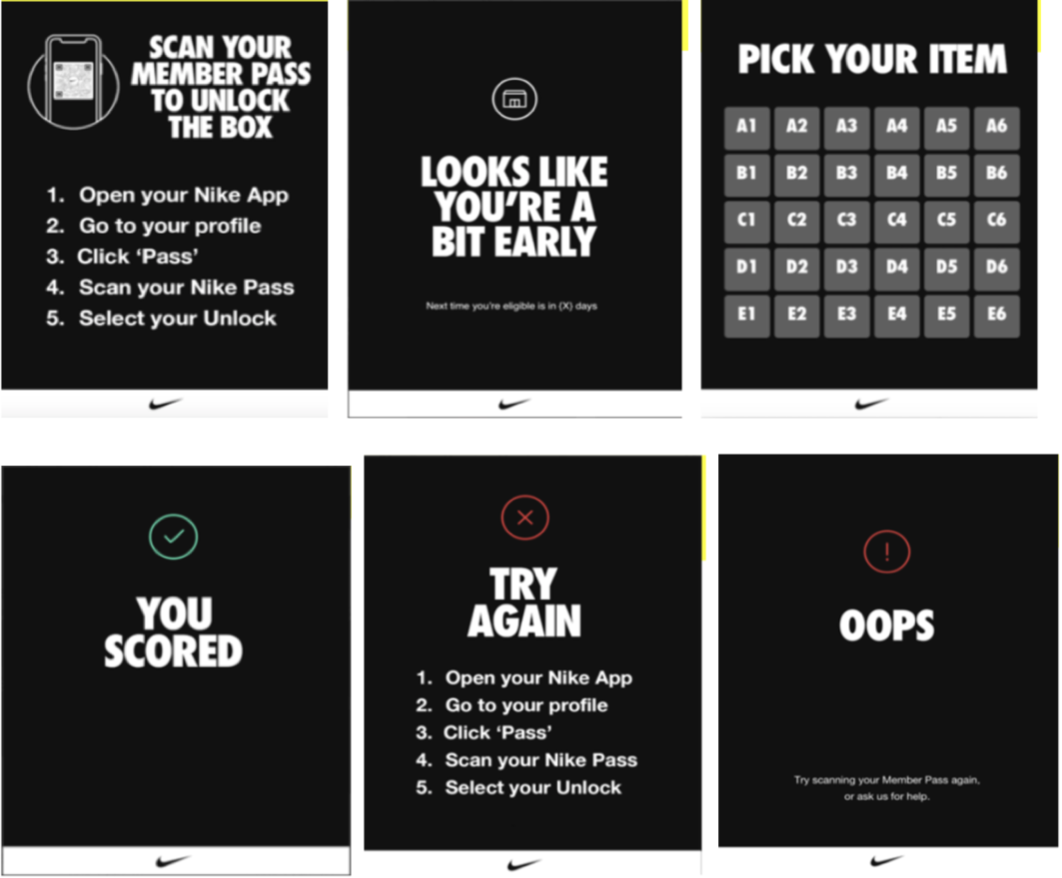
Nike Unlock Box Screens
HYPOTHESIS:
By incentivizing members to “check in” at the retail location, we would increase engagement with in-store digital experiences and drive repeat interaction.
CONCEPT:
To drive in-store app engagement, we proposed a Nike Unlock Box—a digital-physical hybrid vending machine that allows Nike members to redeem free or exclusive products by scanning a QR code in the Nike App.
The Unlock Box was designed to:
Incentivize app opens and login
Drive repeat store visits
Increase engagement with digital retail experiences
Support membership growth
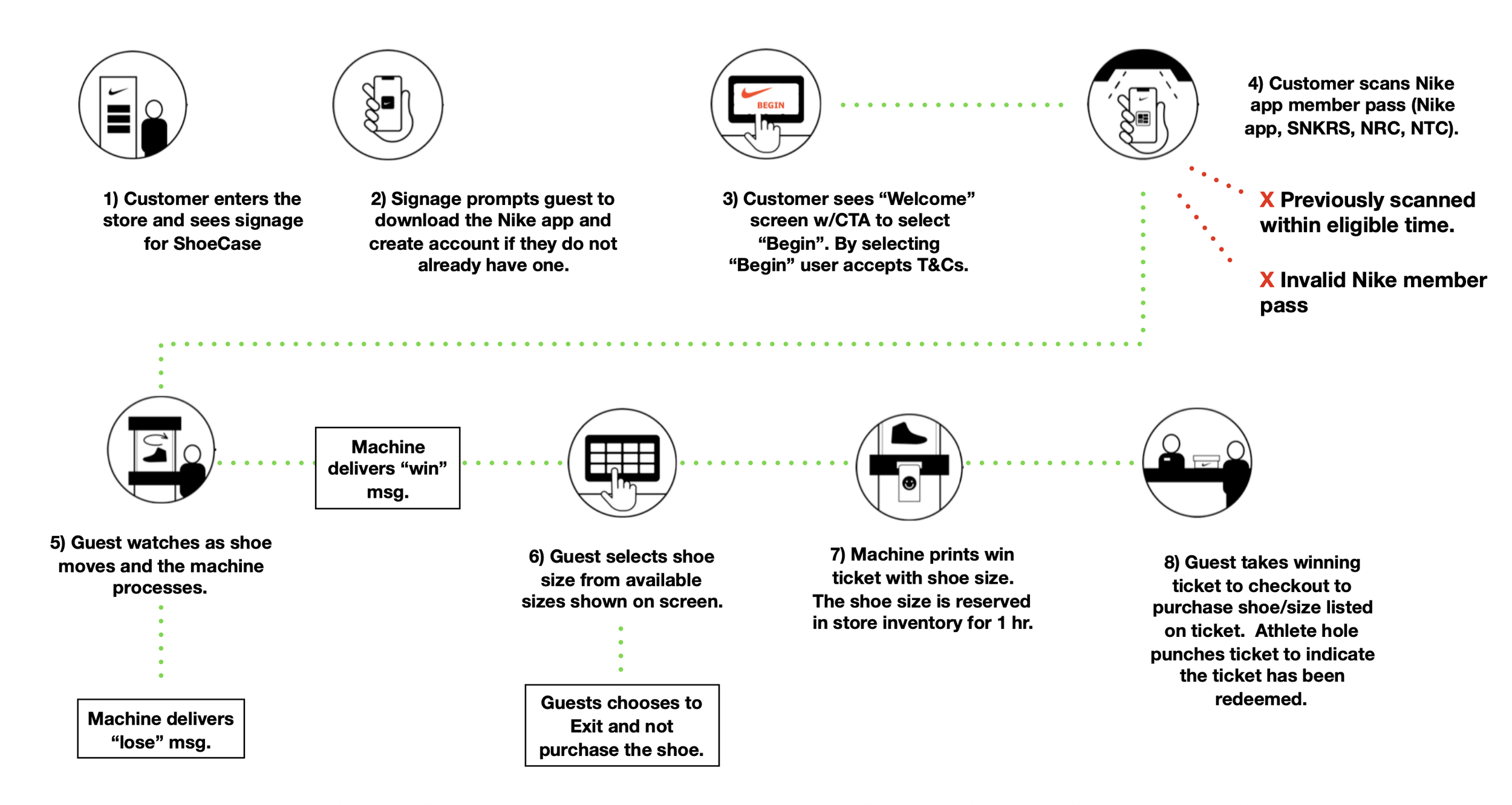
USER JOURNEY:
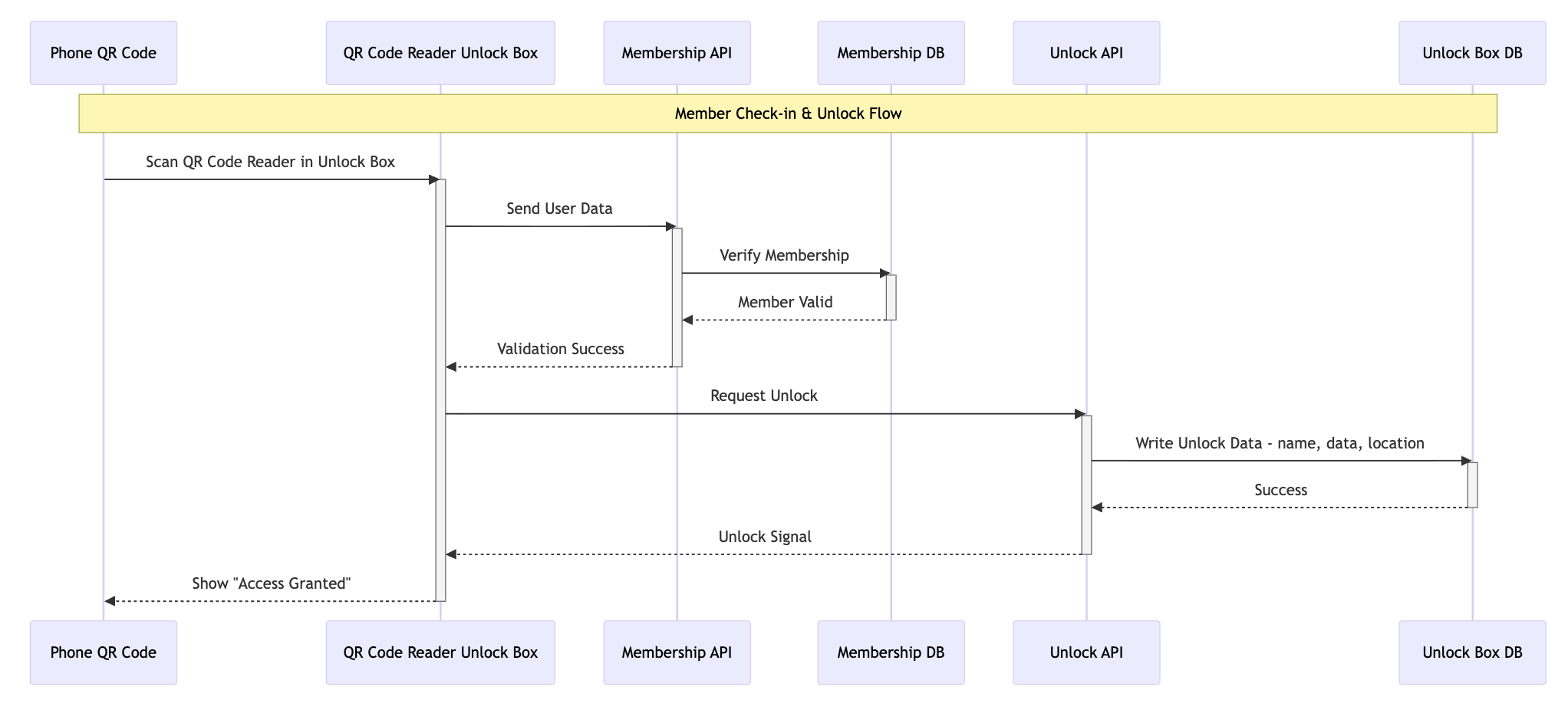
TECHNICAL IMPLEMENTATION:
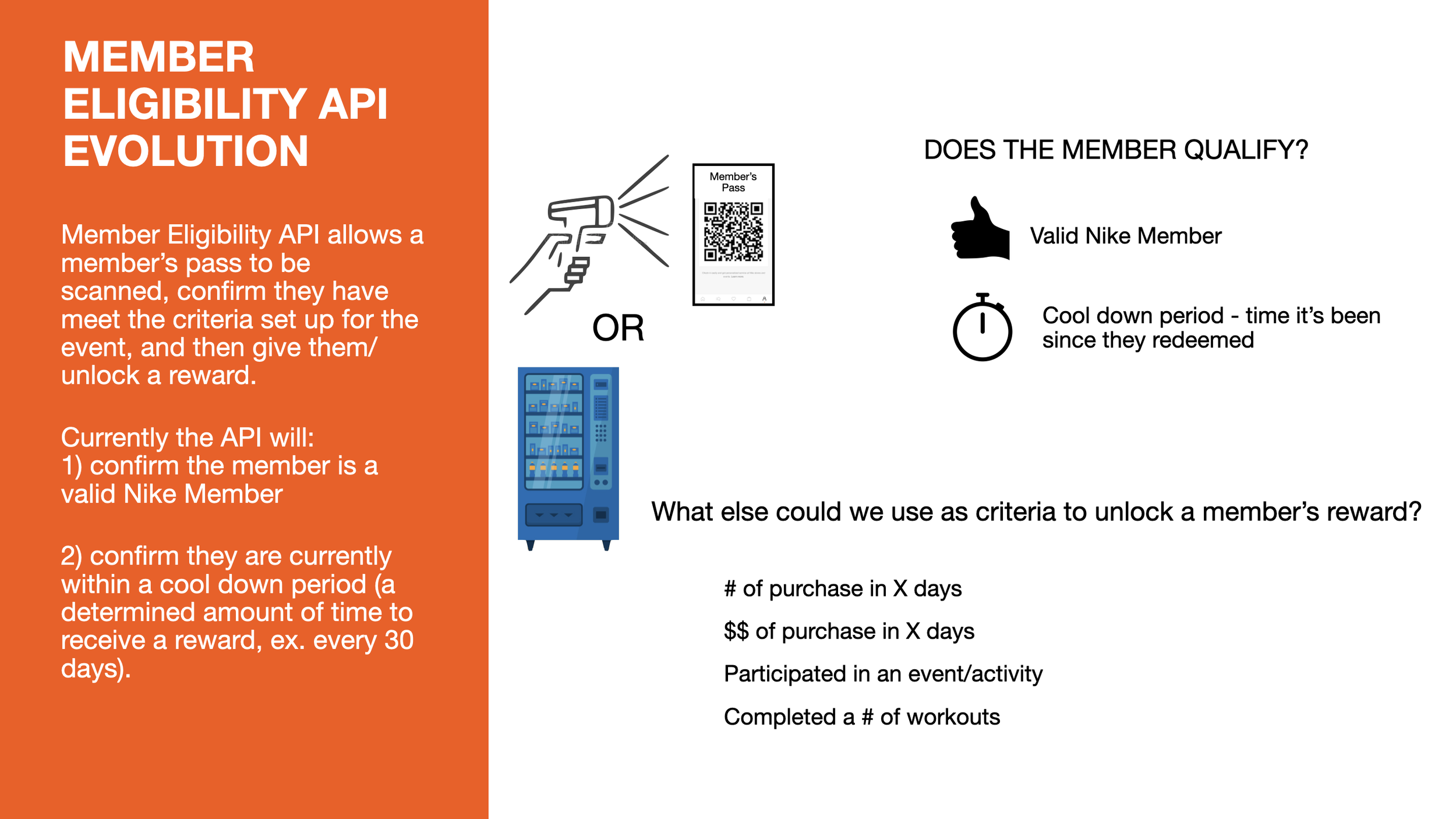
API Evolution
SUCCESS METRICS:
Increase of 50% in scan rate (unique users engaging with digital services vs. total foot traffic)
Member return rate of 2+ interactions on average
10% increase in new member acquisition
RESULTS:
Scan rate increased by 81%
Members returned to the Unlock Box an average of 4 times
New member acquisition increased by 32%
Store traffic increased by 27%
LEARNINGS:
1. Engagement Exceeded Expectations (But Needed Guardrails)
What happened
The Unlock Box drove significantly higher engagement than anticipated, with members returning frequently—often daily.
What we learned
High-frequency engagement can create unintended strain on operations and systems
Without constraints, power users can dominate the experience
Usage patterns varied by location and required localized controls
What we changed / would change
Introduced a cool-down period between redemptions
Shifted to store-level control (vs. global setting) to adapt to local demand patterns
Designed for behavioral variability, not average use
2. Operational Costs Were Underestimated
What happened
We assumed the box would be filled ~2–3 times per day (capacity: 300 rewards), but actual usage required far more frequent restocking and staff involvement.
What we learned
Digital/physical hybrid experiences have hidden operational overhead
Staffing impact must be modeled alongside feature adoption
High success = increased operational burden
What we changed / would change
Updated cost models to include:
Frequent restocking cycles
Dedicated associate support time
Explored ways to reduce manual intervention (e.g., better forecasting, automation, capacity planning)
3. UX Friction Persisted Despite Instructions
What happened
Even with signage explaining how to use the Unlock Box, members still required assistance from store associates.
What we learned
Physical + digital interactions need extremely intuitive UX
Signage alone is not sufficient for new behaviors
First-time user experience is critical in retail environments
What we changed / would change
Improve on-device guidance (step-by-step prompts, visual cues)
Reduce reliance on external instructions
Design for zero-assistance onboarding
4. Location Context Dramatically Impacts Product Behavior
What happened
At high-traffic locations like Shibuya Scramble (connected to a train station), users formed long lines that disrupted nearby stores.
Additionally, many users engaged with the Unlock Box without entering the store, treating it as a standalone attraction.
What we learned
Physical context (e.g., transit hubs) can radically change usage patterns
Products can be used in unintended ways if incentives aren’t aligned
Spillover effects (e.g., lines, congestion) impact the broader ecosystem
What we changed / would change
Implement queue management or usage limits in high-traffic areas
Align incentives to drive in-store behavior, not just redemption
Consider location-specific feature adjustments (or even disabling features in certain contexts)
The Unlock Box reinforced that successful products don’t just scale usage—they must scale operations, experience, and context awareness alongside it.
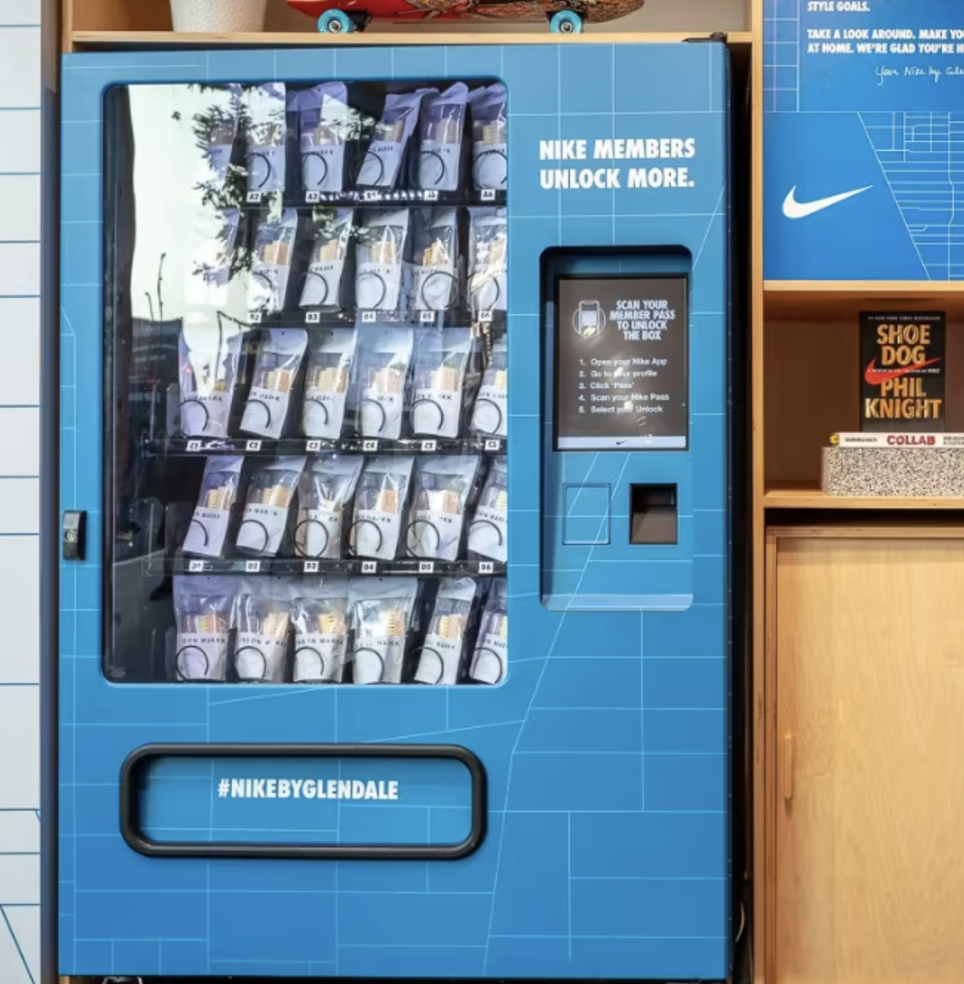
Nike Unlock Box